SEARCH

    GDPR Compliance

    We use cookies to ensure you get the best experience on our website. By continuing to use our site, you accept our use of cookies, Privacy Policies, and Terms of Service.

    newswizzy
    newswizzy

    Latest

    Secrets of Ramayan: Shambhala Mystery, Time Travel REAL story & Hanuman Ji | Eeshaan Mahesh | ST-139

    In this powerful spiritual episode, host Raghav Sharma engages in an enlightening conversation with Spiritual Novelist Shri Eeshaan Mahesh. The discussion unfolds with the mystery of the hidden city Shambhala and how true seekers should avoid conversations that block their spiritual growth.  Eeshaan Ji shares a real-time travel experience where he finds himself in the era of Lord Rama, offering deep insights into divine consciousness. Together, they explore fascinating concepts like the Kalki Avatar, multiverses, and time travel in spirituality.  Eeshaan Ji also reveals his personal connection with Lord Hanuman Ji, describing moments when he truly felt Hanuman Ji’s divine presence in real life. The episode concludes with an emotional retelling of a Ramayana story involving Lord Hanuman, Bharat, Lord Ram, and Maa Sita, leaving a lasting spiritual impact.  Watch till the end for rare spiritual wisdom, unseen experiences, and divine truths that will touch your heart and elevate your consciousness.

    0 18 0

    The Cyber Shield: How Israel Became a Global Power in Digital Defense

    In an age where cyberattacks can cripple economies and threaten national security, Israel has emerged as one of the most powerful players in digital defense. The country that once relied on physical borders now leads the world in protecting the virtual ones. With cyber threats increasing globally, Israel’s combination of military expertise and private-sector innovation has created a cybersecurity ecosystem unmatched in scale and sophistication. Many of the country’s leading cybersecurity firms trace their roots to elite military intelligence units such as Unit 8200, where young engineers gain hands-on experience combating real-world digital threats. This talent pipeline feeds into a thriving startup scene. Over 600 cybersecurity companies operate in Israel, covering everything from ransomware prevention and cloud protection to national-level defense infrastructure. The export of Israeli cybersecurity technology now exceeds several billion dollars annually. Collaboration is key. The Cyber Directorate, operating under the Prime Minister’s Office, coordinates efforts between government agencies, academic research, and private enterprises. This integrated model allows for rapid detection, response, and sharing of intelligence across sectors. But as technology evolves, so do the threats. The rise of AI-driven hacking, deepfakes, and disinformation campaigns poses new challenges. Israeli innovators are responding with next-generation encryption, biometric verification, and predictive threat analysis.   The world looks to Israel not only for technology but also for strategy — how to build a digital defense infrastructure that is both resilient and ethical. In the battle for cyberspace, Israel’s shield remains one of the strongest — forged not just by code, but by creativity, vigilance, and vision.

    0 21 0

    From Chips to Quantum: Israel’s Race to the Next Computing Frontier

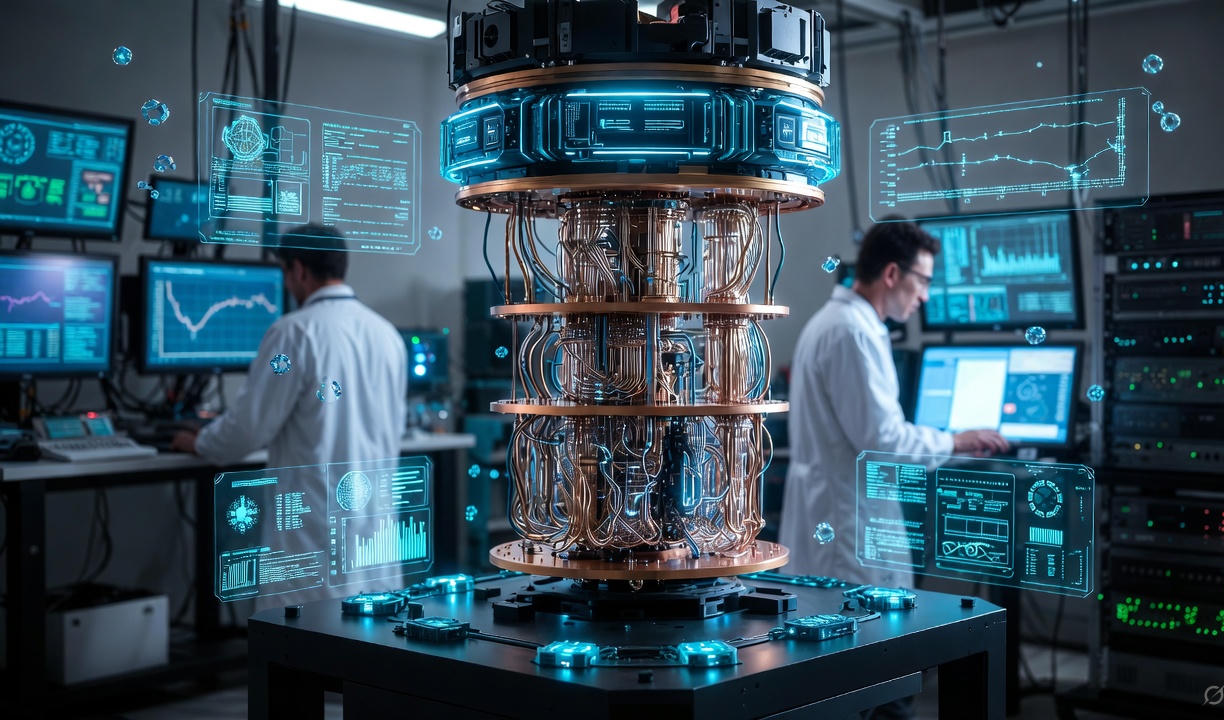
    The global race for computing dominance is accelerating, and Israel is positioning itself as one of the key players. Once known for designing microchips and embedded systems, the nation is now investing heavily in quantum computing — the next great leap in processing power. Quantum technology promises to solve problems that today’s computers can’t even begin to tackle — from simulating molecules for new medicines to optimizing complex financial systems. Israel, with its world-class research institutions and innovative startups, is building the foundation for this future. The Israeli Innovation Authority recently launched a national quantum initiative, allocating significant funding for infrastructure, talent development, and partnerships with leading global research centers. Startups like Quantum Machines are already leading the charge, developing control systems that power quantum processors used by labs around the world. Beyond quantum, Israel’s semiconductor industry continues to thrive. Intel, NVIDIA, and Apple all have major R&D centers in the country, employing thousands of engineers who design the chips that power our daily devices. Combined with breakthroughs in nanotechnology and photonics, Israel is bridging the gap between traditional computing and the quantum age. But experts warn that the true test will be education. Building a quantum-ready workforce requires advanced physics and mathematics training from an early stage. The government is therefore integrating quantum science into school curriculums — a visionary move that may pay off in the coming decade.   If successful, Israel won’t just participate in the global quantum race — it could help define it.

    0 21 0

    Israel’s AI Revolution: How Artificial Intelligence Is Redefining Every Industry

    Artificial Intelligence is no longer a futuristic concept — it’s the backbone of Israel’s next technological leap. Known as the “Startup Nation,” Israel is now transforming into an “AI Nation,” using machine learning, deep learning, and automation to disrupt nearly every major industry — from healthcare and agriculture to finance and cybersecurity. The Israeli government has identified AI as a national priority, investing billions of shekels into research, education, and infrastructure. Universities such as the Technion and Tel Aviv University are at the forefront, partnering with global tech giants to develop advanced algorithms and robotics. In healthcare, Israeli startups are using AI to detect cancer earlier, personalize treatment plans, and even predict heart attacks before they happen. In agriculture, AI-powered drones analyze crops in real time, ensuring efficient irrigation and sustainable farming. Meanwhile, in cybersecurity — one of Israel’s strongest sectors — artificial intelligence is helping detect threats faster than ever before. What sets Israel apart is its ability to combine technical innovation with entrepreneurial agility. With over 1,500 AI startups operating today, many are exporting solutions worldwide. The ecosystem thrives on collaboration between academia, startups, and defense industries — a synergy few nations can replicate. Yet, with great power comes great responsibility. Ethical AI, privacy, and workforce adaptation are becoming key topics of debate. As automation replaces repetitive jobs, Israel faces the challenge of reskilling workers for a digital economy.   Still, one thing is certain: Israel’s AI revolution is just beginning. Its success will depend not only on technological brilliance but also on how well it balances innovation with humanity.

    0 18 0

    Storm Watch: How Israel’s Meteorological Network Is Preparing for a Wetter Future

    As Israel experiences increasingly severe storms, the country’s meteorological services are stepping into a new era of precision forecasting and rapid response. The Israel Meteorological Service (IMS), once focused mainly on seasonal predictions, is now deploying cutting-edge technologies to track storms in real time and help communities prepare for extreme weather. New radar systems and satellite integrations allow scientists to monitor rainfall patterns across the entire country with unprecedented accuracy. When a storm forms over the Mediterranean, its movement can be tracked minute by minute as it approaches the coast. This data is then shared instantly with municipalities, emergency responders, and the public. Smartphone alerts, digital dashboards, and AI-driven models now play a crucial role in saving lives. Predictive algorithms calculate not just where rain will fall, but how it will affect vulnerable areas — from flash-flood-prone valleys to low-lying neighborhoods in Tel Aviv and Haifa. The IMS also collaborates closely with international partners, sharing data with European and Middle Eastern weather centers. Such cooperation helps Israel anticipate regional weather shifts — especially important in a climate zone where a single storm can cause millions in damage. Looking ahead, meteorologists are warning that “once in a decade” storms may soon become annual events. But with improved forecasting, stronger communication, and smarter infrastructure, Israel is determined to turn preparedness into protection.   In a world where weather is becoming less predictable, knowledge may be the country’s most powerful umbrella.

    0 18 0

    The Future of Water: How Israel is Fighting Drought with Innovation

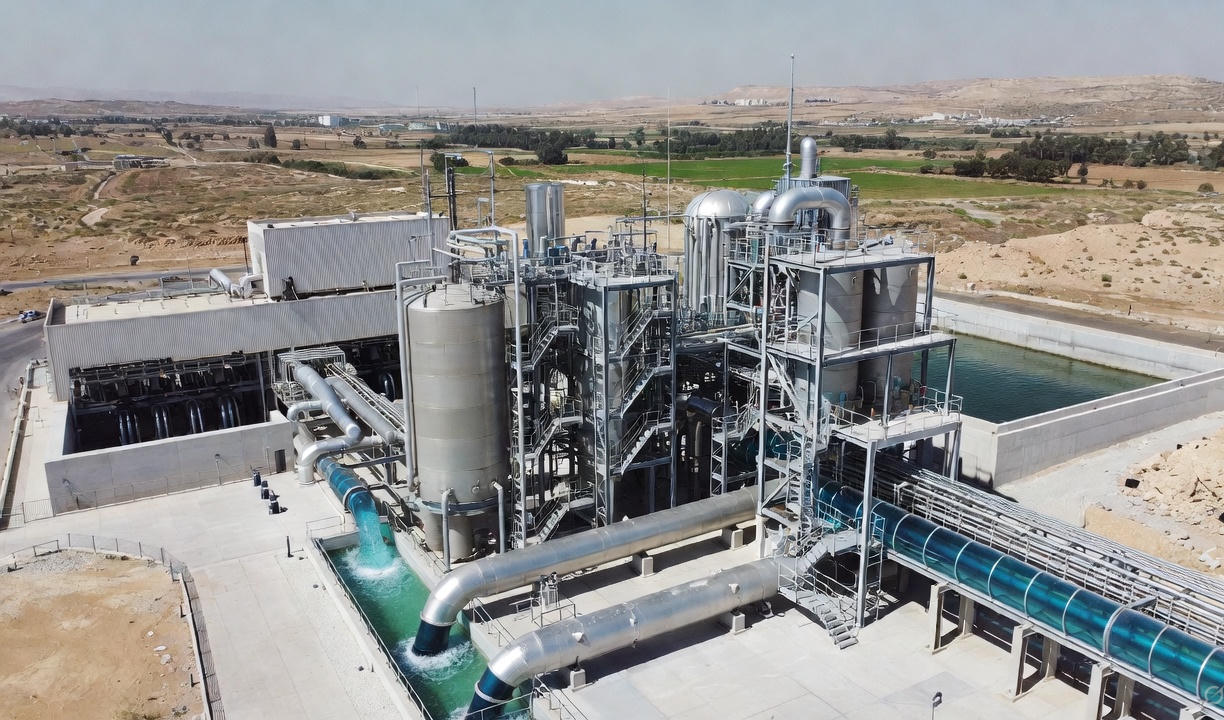
    Water has always been at the heart of Israel’s story — from the biblical deserts to modern agricultural triumphs. In a region where drought is a constant threat, Israel has turned necessity into invention, building one of the most advanced water management systems in the world. As rainfall becomes increasingly unpredictable due to climate change, the country’s reliance on natural water sources has diminished. Instead, Israel now produces over 80% of its drinking water through desalination. Massive coastal plants transform seawater from the Mediterranean into fresh, drinkable water, ensuring stability even during dry years. Beyond desalination, Israel leads the world in wastewater recycling. More than 85% of its wastewater is purified and reused for agriculture — a rate unmatched anywhere else. Farmers rely on advanced drip irrigation systems, invented in Israel, to deliver water directly to the roots of crops, maximizing efficiency and minimizing waste. Startups and research institutions are also pioneering new methods to monitor and predict droughts. Satellite imagery, data analytics, and machine learning allow for precise tracking of soil moisture and climate patterns. These tools not only protect local agriculture but are now being exported to countries across Africa, Asia, and Latin America.   Still, experts caution that technology alone isn’t enough. Long-term sustainability will require public awareness, water conservation education, and regional cooperation. As global drought conditions intensify, Israel’s model of innovation-driven resilience could become a blueprint for survival in the 21st century.

    0 17 0

    Israel Faces a New Climate Reality: The Growing Challenge of Extreme Weather

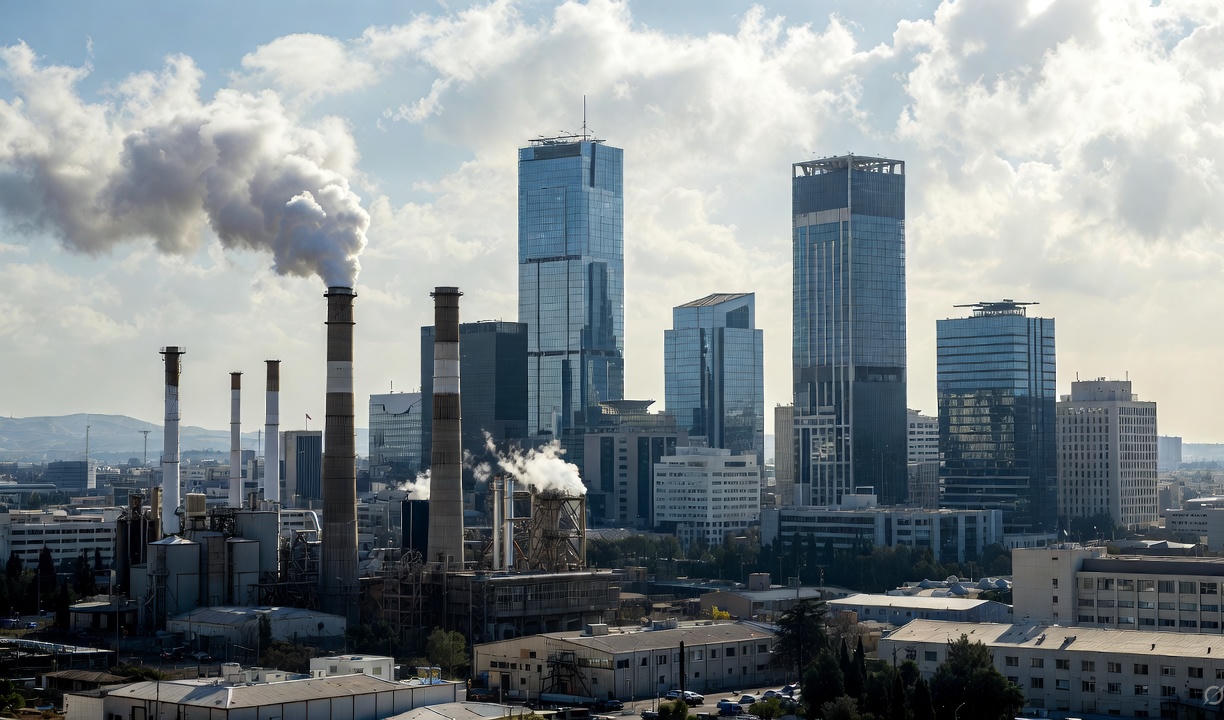
    For decades, Israel’s climate was known for its predictability — long, hot summers and mild winters with limited rainfall. But in recent years, that familiar rhythm has been breaking down. Rising global temperatures and shifting weather patterns are reshaping the Middle East, and Israel is feeling the effects like never before. Heavy rains that once fell gradually over the winter now arrive as intense, short-lived storms, flooding streets and overwhelming drainage systems. Summers are becoming longer, drier, and more dangerous, with record-breaking heatwaves pushing temperatures beyond 45°C in some regions. Coastal cities are grappling with rising sea levels, and desert areas are expanding northward. These changes aren’t just environmental — they’re economic and social. Farmers in the Negev and Galilee are facing unpredictable growing seasons, while water reservoirs like the Sea of Galilee require constant monitoring and technological management. Urban planners are redesigning infrastructure to withstand flash floods, and emergency services are developing new protocols for heat-related illnesses. Experts warn that Israel’s geography — a small country with dense population centers — makes it particularly vulnerable. However, innovation may be the key to adaptation. From advanced desalination plants to AI-powered climate prediction systems, Israeli technology is already playing a global role in climate resilience.   The challenge now is not only to adapt but to mitigate. If Israel wants to safeguard its future, it must balance economic growth with environmental responsibility — before the weather becomes the nation’s greatest adversary.

    0 17 0

    The Future of Work in Israel: How AI and Automation Are Reshaping the Economy

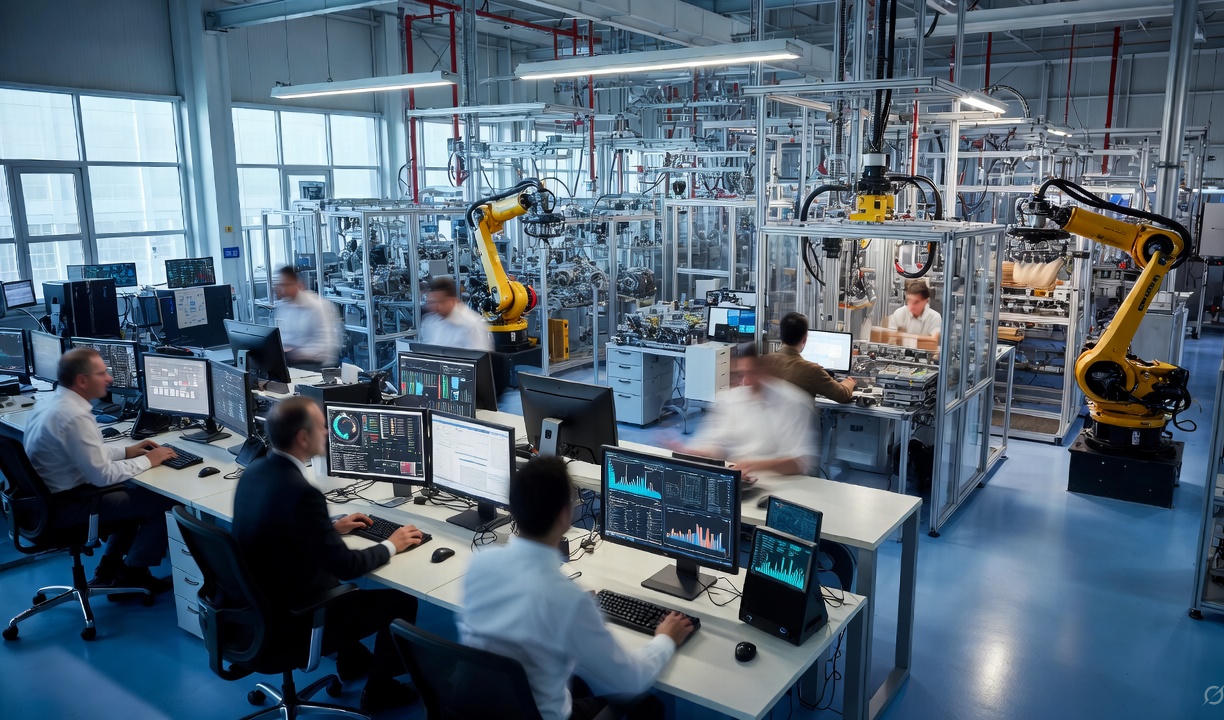
    Artificial intelligence and automation are transforming Israel’s economy faster than any other technological shift in its history. What began as a gradual introduction of smart tools and algorithms has evolved into a revolution affecting every sector — from finance and manufacturing to education and healthcare. Israel, home to hundreds of AI startups, is now one of the world’s leaders in automation technology. Companies are using machine learning to improve logistics, predict consumer trends, and optimize agricultural output. Hospitals rely on AI diagnostics, while fintech firms automate risk management and fraud detection. This innovation surge creates both opportunities and challenges. On one hand, productivity is increasing, and new high-skill jobs are emerging. On the other, automation threatens traditional roles, especially in industries that rely on repetitive or manual labor. Economists warn that without targeted retraining programs, parts of the workforce could be left behind. The Israeli government and private sector are already responding. Initiatives such as national AI education programs, coding bootcamps, and partnerships between universities and tech companies aim to prepare citizens for the future of work. Emphasis is placed on digital literacy, creative problem-solving, and adaptability — skills that machines cannot replace. The shift also raises ethical and regulatory questions: how to protect privacy, ensure fair use of data, and maintain equality in an increasingly digital economy. But one thing is clear — the age of AI is not coming; it’s already here.   For Israel, a country that thrives on innovation, this moment represents both a challenge and an unprecedented opportunity to lead the world into a smarter, more efficient, and more inclusive economic future.

    0 18 0

    The Startup Nation’s Economic Shift: From Tech Boom to Diversified Growth

    For decades, Israel’s economy has been defined by one phrase — Startup Nation. The country’s vibrant tech ecosystem has been the driving force behind its global economic reputation. But as the world changes, so too does Israel’s economic landscape. A new era of diversified growth is emerging, expanding far beyond high-tech. Technology remains a pillar of the Israeli economy, contributing nearly 15% of the country’s GDP and more than half of its exports. However, recent global slowdowns in venture capital and the decline in tech valuations have forced many companies to rethink their models. Startups that once relied on constant fundraising are now focusing on sustainability, profitability, and long-term strategy. This shift has created opportunities for other sectors to rise. Manufacturing, renewable energy, and agritech are attracting increased attention. The government is investing heavily in infrastructure and logistics to support exports beyond the tech world. Tourism and creative industries, too, are playing a bigger role in employment and GDP growth. Economists argue that diversification is not just a strategy — it’s a necessity. A healthy economy cannot rely solely on innovation hubs in Tel Aviv and Herzliya; it must also create growth in peripheral regions and traditional industries.   Israel’s next economic chapter may be less about flashy IPOs and more about steady, inclusive development. If managed wisely, this evolution could mark a transition from Startup Nation to Sustainable Nation — an economy built not only on ideas but on balance, opportunity, and long-term vision.

    0 18 0

    Israel’s Inflation Challenge: Balancing Growth and Cost of Living

    In recent years, Israel’s economy has faced one of its toughest balancing acts — maintaining strong economic growth while managing an increasingly heavy cost of living. Despite impressive GDP performance and record-low unemployment rates, many Israelis feel the pressure of rising housing prices, grocery costs, and transportation fees that outpace wage growth. The Israeli government and the Bank of Israel have been walking a tightrope, trying to control inflation without stifling economic momentum. After the pandemic, global supply chain disruptions and geopolitical instability contributed to price hikes, particularly in food and energy. Central banks worldwide responded with aggressive interest rate increases — and Israel was no exception. Higher interest rates slowed the housing market but also increased mortgage burdens, putting pressure on families and young homebuyers. For small businesses, borrowing costs rose sharply, limiting their ability to invest and expand. The challenge has been to find equilibrium: cooling down inflation without freezing growth. Meanwhile, the Israeli shekel — once one of the strongest currencies in the region — experienced volatility, driven by both global trends and domestic uncertainty. Yet, Israel’s innovation-driven sectors, particularly technology and finance, continue to provide resilience, keeping the economy afloat even in turbulent times.   Looking forward, experts predict gradual stabilization. As global supply chains normalize and energy prices ease, inflationary pressure is expected to decline. However, the deeper issue — the gap between income and cost of living — remains a defining challenge.Israel’s future prosperity may depend not only on financial policies but on creating an economy that works for everyone, not just the few who can afford it.

    0 17 0

    The Post-Pandemic Economy: How Small Businesses in Israel Are Reinventing Themselves

    When the COVID-19 pandemic hit, small businesses across Israel faced an existential crisis. Shops closed, restaurants emptied, and entrepreneurs struggled to adapt to an unpredictable economy. But out of this turmoil emerged one of the most inspiring transformations in the country’s business history. From local cafés to boutique stores and service providers, small business owners quickly learned to pivot. Many embraced digital transformation, launching e-commerce websites, using delivery apps, and building social media communities to stay connected with customers. What began as a survival strategy soon evolved into a long-term model for growth. Government grants and community initiatives provided a safety net, but it was creativity and resilience that truly drove recovery. Entrepreneurs began collaborating instead of competing — sharing delivery logistics, promoting each other’s products, and even co-hosting online events. Some of the most exciting success stories came from unexpected places: family bakeries that turned to nationwide shipping, neighborhood gyms that offered virtual training sessions, and artisan markets that became online platforms for handmade Israeli goods. Now, as the economy stabilizes, these small businesses are not just returning to normal — they’re reinventing what normal means. Hybrid models combining online and offline experiences are becoming the new standard. Israeli consumers, too, are showing greater appreciation for local products and community-based commerce.   The lesson from Israel’s small business renaissance is clear: adaptability is the new currency of success. In the face of uncertainty, innovation remains the country’s most valuable resource.

    0 17 0